Tired of the mundane, flat ceilings? Texture paint offers a unique and creative solution to elevate your interior design. By adding depth, dimension, and visual interest, textured ceilings can transform your space into a masterpiece. In this blog post, we’ll delve into the world of texture paint, exploring its types, application techniques, and the stunning effects it can create.
What is Texture Paint?
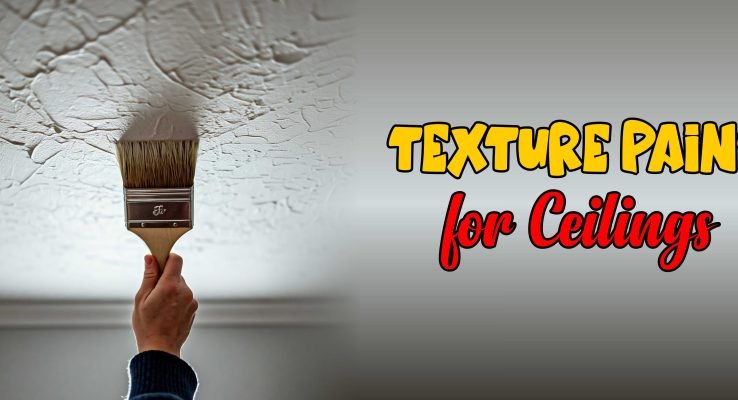
Texture paint is a specialized type of paint that, when applied, creates a textured finish on walls and ceilings. It comes in various forms, from fine-grained to coarse, and can be applied using different techniques to achieve diverse effects.
Types of Texture Paint
Spray Texture:
Applied using a spray gun
Creates a uniform, speckled finish
Ideal for modern and contemporary interiors
Roller Texture:
Applied using a textured roller
Offers a variety of patterns, from subtle to bold
Suitable for both traditional and contemporary styles
Spatula Texture:
Applied using a spatula or trowel
Creates a hand-crafted, artistic look
Perfect for creating unique, one-of-a-kind designs
Creating Unique Effects with Texture Paint
Cloud Ceilings:
A popular choice for bedrooms and living rooms
Achieved by applying a light-coloured base coat and then adding random, fluffy clouds of a darker color
Use a large brush or roller to create the cloud effect
Faux Finish Ceilings:
Mimics the appearance of other materials like marble, stone, or wood
Requires advanced techniques and artistic skills
Consult with a professional painter for best results
Metallic Ceilings:
Adds a touch of luxury and glamour
Available in various metallic finishes, such as gold, silver, and copper
Perfect for formal dining rooms and home theaters
Tips for Applying Texture Paint
Prepare the Surface: Ensure the ceiling is clean, dry, and free of any imperfections.
Prime the Surface: Apply a high-quality primer to enhance adhesion and create a smooth base.
Choose the Right Tools: Select the appropriate tools based on the desired texture and technique.
Practice Makes Perfect: Experiment with different techniques on a small area before applying to the entire ceiling.
Hire a Professional: If you’re unsure about your DIY skills, consider hiring a professional painter.
Conclusion
Texture paint is a versatile tool that can elevate your interior design to new heights. By exploring different types, techniques, and effects, you can create stunning and personalized ceilings that reflect your unique style. Remember, the key to success is careful preparation, attention to detail, and a bit of creativity.
The information provided in this blog post is intended for general knowledge and informational purposes only. It does not constitute professional advice. Please consult with a qualified professional for advice tailored to your specific needs. The author and publisher of this blog are not responsible for any errors or omissions in the content.
Tags :
One thought on “Texture Paint for Ceilings: Elevating Your Interio”
I honestly never thought about the ceiling as a ‘fifth wall’ before, but this article makes so much sense. We have some uneven spots on our ceiling in our flat in Delhi, and a subtle texture like the ‘knockdown’ finish sounds like a perfect way to hide them and add some elegance.


I honestly never thought about the ceiling as a ‘fifth wall’ before, but this article makes so much sense. We have some uneven spots on our ceiling in our flat in Delhi, and a subtle texture like the ‘knockdown’ finish sounds like a perfect way to hide them and add some elegance.